
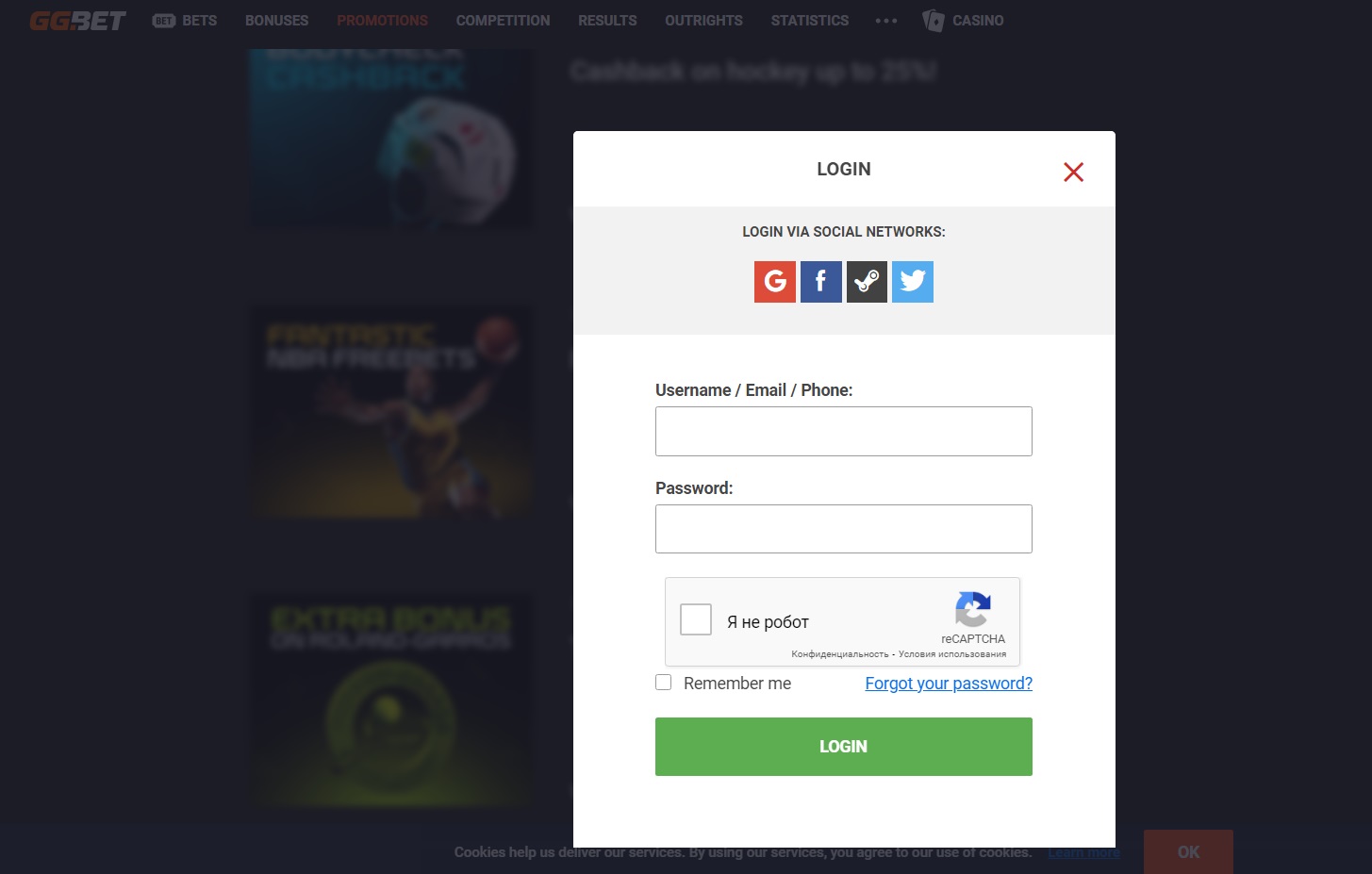
If you play at online casinos in the UK, you realize that managing your time and security is part of the experience betgg.eu. I’ve devoted a lot of time on numerous gaming sites, and I not long ago decided to scrutinize how GGBet Casino deals with session timeouts. While everyone discusses welcome bonuses and game libraries, these automatic logout functions are the quiet workhorses of account safety and responsible play. I aimed to see how they operate in practice. This is my practical review at GGBet’s setup—what activates a logout, what you can configure, and how it all comes across when you’re actually playing. I’ll walk you through what I found, how it influences different types of games, and the simple steps you can follow to make your experience both more secure and smoother.
Grasping Session Timeouts and Their Importance
A session timeout is a basic idea. If you fail to interact with the site for a while, it signs you out of your account. For a casino like GGBet, this serves a few vital jobs. It’s your initial protection if you walk away from your computer in a café or at home without logging out. It stops anyone else from reaching your account or your money. The UK Gambling Commission requires operators to incorporate these types of player protections, and a timeout serves as a built-in reminder to take a break. For you, the player, it provides security but can also be a nuisance. Getting logged out in the middle of organizing a complex bet or while awaiting your turn at a live blackjack table is frustrating. Getting this balance right is why the timeout isn’t just a technical box to tick, but a core part of how a secure casino should work.
How to Identify and Change Your Login Settings
GGBet doesn’t conceal its security settings, but you won’t locate a button labeled “session timeout” either. To reach the controls that affect your login session, you have to access your account settings. Sign in, then tap on your profile name or icon in the top right corner of the screen. Pick ‘Settings’ or ‘Account Settings’ from the menu that drops down. Find the sections on security and privacy. During my review, I didn’t notice a specific slider to configure your own timeout length. What you will find are related tools, like the ability to check what devices are connected to your account and to activate two-factor authentication (2FA). These features function with the basic timeout to give you more control over your account’s safety. The layout is sufficiently clear if you’re used to online accounts, though I feel players would appreciate a direct way to establish their own timeout duration in a future update.
Potential Inconveniences and Ways to Handle Them
Of course, the security comes with some genuine frustrations. Losing an unsaved bet is the typical example. Getting disconnected from a live dealer table forces you to log back in and wish your spot is still open. You can handle these situations with a few simple habits. First, during long decision times, make a habit of jiggling the mouse or tapping the screen every few minutes. Secondly, never assume your bet slip is safe—use the save function every single time. Finally, have your login info ready in a password manager so getting back in is quick. Some players even set a silent timer on their phone for 12 minutes as a prompt to touch the page. These little habits efficiently counter the main drawback of the timeout, letting you keep your session alive without reducing the protection it gives.
Comparing GGBet’s Approach to Alternative UK Casinos
Comparing GGBet’s setup up against other UK casinos shows it’s solidly in the standard. Most regulated operators use a analogous automatic logout, typically set between 10 and 20 minutes. The distinction comes with personalization. A small number of rival sites enable you pick your own timeout period from a menu in your account preferences—say, 5, 15, or 30 minutes. GGBet doesn’t offer that selection right now. Their system is standardized for all users. This implies it’s less flexible than certain, but it also ensures a steady level of security across all player accounts. In what area GGBet does well is in making its wider security features, like 2FA and device management, straightforward to access and use. On that frontier, it’s as effective as or better than many competitors. So even though you cannot adjust the timeout, you’re receiving a approach that’s secure, adherent, and common for a trustworthy operator here.
Safety Advantages of a Strong Timeout Policy
The security upside of GGBet’s strategy is solid. At home, it prevents a household member or a friend from unintentionally stumbling onto your open account. If you’re in a public place, it’s a crucial barrier. The automatic logout ensures your personal data, your payment options, and your payment record aren’t just exposed for anyone to see. It also works well with other safety protocols. If you have two-factor authentication enabled, a timeout means a would-be hacker would need your password and control of your phone or email to get back in. That’s a strong deterrent. For UK players, who are familiar with robust consumer protection rules, this type of layered security is confidence-inspiring. It indicates GGBet approaches the security of your account earnestly, regarding it more like a bank login than just a portal to games.
Key Takeaways for UK Players
What’s the verdict on GGBet’s session timeouts? The platform uses a conventional, security-led system. You are automatically logged out after 10-15 minutes of inactivity, and you cannot modify that time yourself. This policy is a compromise. It provides you with essential protection for your money and your personal information, which meets what the UK Gambling Commission demands. But it can also disrupt your concentration during a relaxed game or while you’re building a bet. That means you need to adapt. Get used to giving the page a periodic tap. Always save your bet slips. These small actions solve most of the inconvenience. In the end, GGBet has chosen to emphasise a safe baseline for every player. That decision might sting once in a while, but it stems from a accountable stance on player protection that’s worth having.
The Effect on Different Forms of Gameplay
That fixed 10-15 minute clock impacts what you’re doing in different ways. If you’re playing slots reels or engaging in instant-win games, you’re constantly clicking, so the timeout rarely happens. It’s a distinct story for games that require more thought. If you’re participating in poker or blackjack and taking time to consider a decision, the clock is always ticking in the background. The biggest impact, I found, is on sports betting. Creating a multi-leg accumulator or researching horse racing form requires a lot of reading and thinking, not endless clicking. You can be engrossed in stats and abruptly get logged out, losing that thoroughly built bet slip. Because of this, you should change your habits. Be sure of tapping the screen now and then during your research, or employ the ‘save bet’ function consistently to avoid losing your work.
Standard Timeout Action at GGBet Casino
When you initially join and commence playing at GGBet, the site has a default timeout already set. From my own testing, it triggers after about 10 to 15 minutes of you doing nothing at all. ‘Inactivity’ here means exactly that: no mouse moves, no key presses, no clicks. Having a game open on your screen doesn’t count. The site doesn’t usually give you a pop-up warning. One minute you’re there, the next your session has ended. When you try to place a bet or click on anything, you’ll find yourself looking at the login page again. This 10-15 minute window is pretty common across UK licensed casinos. It’s a reasonable compromise. You have enough time to go answer the door or make a quick drink without being booted off, but it’s short enough to limit the danger if you forget your laptop is still logged in somewhere you shouldn’t.
Top Tips for Managing Your Session

To achieve the optimal balance of safety and smooth play on GGBet, UK players should establish a few habits into their schedule. The goal is to operate with the platform’s configuration, not work against it. If you do this, the timeout becomes something you barely detect.
- Make a habit of manually signing out when you complete playing, especially on a shared computer. Don’t just exit the browser window.
- Activate Two-Factor Authentication (2FA) in your account security settings. It’s the single best enhancement you can perform to your account’s protection.
- When you’re researching bets or thinking through a game strategy, intentionally communicate with the page every 8 or 9 minutes. A quick click anywhere is sufficient.
- Inspect the list of devices connected to your account in the settings every so often. Eliminate any old phones or laptops you don’t use anymore.
Common Questions
What’s the GGBet session timeout for inactivity?
Based on my testing, GGBet Casino logs you out after about 10 to 15 minutes of total inactivity. That means no mouse movement, typing, or clicking on the site. There is no setting in your account to modify this period, so this period is locked for everyone at the moment.
Do I lose my bet slip if I get timed out?
That’s correct, you most likely will if you don’t have it saved. Any not saved bet slip on the sportsbook typically vanishes when the timeout happens. To avoid this, utilize the ‘Save Bet’ function on the betting slip while you assemble it. For casino games, you’ll simply be signed out of the game itself. You can sign back in and reload the game, but slots won’t recall where you left off.
Is it possible to change or deactivate the automatic logout on GGBet?
No, you can’t. You are unable to disable it or increase it. This is a required feature for security and regulated gambling. The settings page lacks an choice to change the timer. Your best choice is to keep your session lively with small, regular actions during lengthy periods of play or research.
Does the timeout function the same on the mobile app?
It does. The same rule is in effect on the GGBet mobile app. After 10-15 minutes without using the app, you’ll be logged out. You might notice it more on mobile, since if you switch to another app and return later, you’ll frequently need to type your password again even when you weren’t gone that long.