Introduction
Considering the direct implications of fuel prices on transportation, inflation, and the general cost of living, the price of petrol in Pakistan is often the center of discussion in the country. Daily, millions of Pakistanis rely on either personal vehicles, motorcycles, or public transport, especially with the frequent and unannounced changes in the latest petrol price in Pakistan. It impacts their household budgets and business expenditures. The last couple of years have seen the government regularly changing petroleum products pricing due to the frequent and volatile changes in the international markets and the country’s economic policies. Pakistanis appreciate the knowledge of the current petrol price in Pakistan and the driver(s) of price changes as it aids in strategizing their expenditure.
Latest Petrol Price in Pakistan (Live Update)
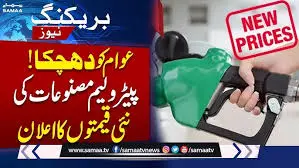
Most recent reports indicate the price of petrol in Pakistan escalated in the recent past as a result of the changes in the global oil market coupled with the underlying economic challenges. Current March 2026 reports indicate the price of petrol in Pakistan is priced at roughly Rs321.17 per litre and the price of high-speed diesel is Rs335.86 per litre after a major surge of roughly Rs55 per litre.
The government of Pakistan adjusts the price of petrol approximately every two weeks, following the suggestions of the Oil and Gas Regulatory Authority (OGRA). The price of petrol was, for example, increased from Rs266.17 per litre due to increased costs of international crude oil.
The new petrol price rates in Pakistan will increase the cost of transport, delivery of goods, and commuting for millions of people.
Why Petrol Prices Increase in Pakistan
The new petrol prices in Pakistan increase for a number of reasons, the most significant being the global oil market. Because of Pakistan’s dependence on the importation of oil, the price of petrol will increase due to the increase of international crude oil costs.
Prices of Crude Oil
The price of petrol in Pakistan today is most affected by the prices of crude oil. If an oil-producing country increases the price of crude oil, fuel will cost more to import and thus will increase the price of petrol in Pakistan.
Currency Exchange Rate (Dollar vs. Rupee)
Pakistan has to import oil and pay for it in U.S. Dollars. So, if the Pakistani rupee goes down in value compared to the U.S. dollar, it will cost them more to import oil. This means the most recent increase in petrol prices in Pakistan means that fuel is more expensive for customers.
Government Taxes and Petroleum Levy
The petrol price also includes government taxes, for example the Petroleum Development Levy (PDL). The PDL, along with other government taxes, provides revenue to the government, but at the same time increases the price the consumer sees at the pump.
Global Political Tensions
Geopolitical conflicts and tensions in the regions where oil is produced can cause interruptions in the supply and, consequently, also increases the prices. For example, prices of oil in the world market have gone up due to the recent tensions in the Middle East, and because of that, Pakistan has also had to increase prices of petrol.
Transportation and Refining Costs
Other than the price of the crude oil, the price of refining, transporting and distributing it also add costs to the petrol price per litre in Pakistan.
Impact of Petrol Price Increase on Pakistan
The rise in the prices of petrol in Pakistan causes an increase in costs across the entire economy. The increase in cost of fuel increases the cost of transport, which consequently increases the cost of food, commodities, and services.
Some of the major impacts include:
- An increase in various transport fares,
- An increase in food and basic necessities,
- An increase in logistics and delivery costs,
- An increase in countrywide inflation.
An increase in the price of Diesel impacts the food supply and the cost of farming as Diesel is used in trucks, buses, and farming machinery.
Petrol Price History in Pakistan
Over the decades, the price of Petrol in Pakistan has changed dramatically. Fuel was initially priced in only a few paisas per litre in the years after the country attained independence. Due to various inflationary and economic factors as well as a global demand for oil, the price of petrol has drastically changed over the decades.
The price of petrol has recently crossed the Rs300 mark making it one of the biggest expenses for Pakistani families.
How Often Petrol Prices Change
Petroleum prices in Pakistan are, on average, changed by the government once in a fortnight after considering the recommendations of the Oil & Gas Regulatory Authority (OGRA) and upon analysis of the global oil prices. In the case of a global crisis or a rapid shift in the market, prices may be changed in a shorter time frame.
It is common practice for people to google search:
- petrol price in Pakistan today
- latest petrol price in Pakistan
- petrol rate in Pakistan today
- live petrol price Pakistan
Such information is particularly important for drivers and other business people.
Conclusion
Pakistan’s economy and daily life are influenced by petrol prices. Crude oil prices, exchange rates, government taxes, and global politics are all factors that can cause fuel prices to change. The global market for oil directly affects local petrol prices due to Pakistan’s heavy dependence on imported oil.
For individuals and businesses in Pakistan, staying informed on petrol prices increases budgeting and expense management capabilities. This includes commuters as well. It helps them budget more effectively and increases expense management capabilities.