Introduction
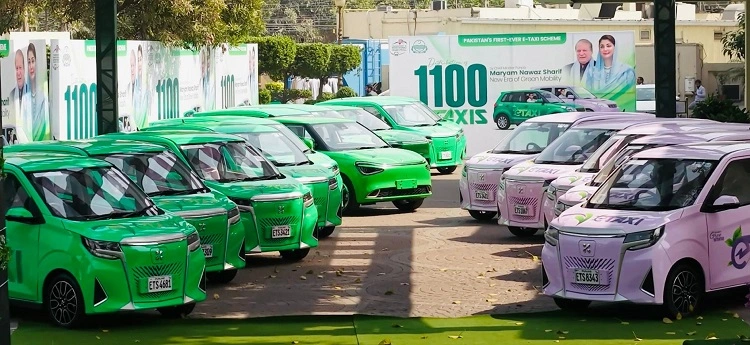
The E Taxi scheme is a new program developed to keep the environment in mind by promoting the use of Electric Vehicles (EVs) and providing jobs for the youth. Due to increasing environmental issues and fuel prices, electric taxis are a more sustainable and cost efficient option than fuel based taxis.
To combat pollution and the use of imported fuel, countries encourage the use of electric vehicles. In Pakistan, due to its combination of environmental sustainability and employment opportunities, the E Taxi scheme is being praised.
This guide covers all you need to know about the E Taxi Program including who is eligible, the steps to register, how subsidizing works, the benefits, specifications of the vehicles, and how much you can earn.
What Is the E Taxi Program?
The E Taxi program is a government-sponsored program that aims to:
- Foster the use of electric vehicles
- Decrease the amount of carbon emitted
- Provide jobs
- Make transportation more affordable
- Aid in the clean energy transition
Under this initiative, eligible participants can obtain electric vehicles, often through subsidized cost, convenient installment plans or other forms of financial assistance, to serve as taxi drivers.
Objectives of the E Taxi Scheme
The key focuses of the E Taxi program are to:
- Encouraging eco-friendly transportation
- Reducing air pollution
- Creating employment for youth
- Decreasing fuel import costs
- Promoting sustainable urban mobility
Key Features of the E Taxi Program
- Subsidized electric vehicles
- Government backed vehicles
- Operational costs reduced
- Less overhead costs
- Charged stations are easily accessible
- Easy maintenance
These attributes clarify why the E Taxi scheme is preferred by drivers.
Eligibility Criteria
Eligibility requirements may vary depending on government policy but typically include:
- Pakistani citizen with valid CNIC
- Valid driving license
- Age within specified limit (usually 21–45 years)
- Clean criminal record
- Basic driving experience
- Financial eligibility (if installment plan applies)
Priority may be given to unemployed youth and low-income applicants.
Required Documents
Commonly, the required documents are:
- A copy of the CNIC
- Driving license
- Certificate of domicile
- A record of the bank account
- Passport-size pictures
- Police certificate
When all the documents are in order, approval is faster.
How to Apply for the E Taxi Program
Step 1: Visit Official Portal
Check the official government or transport department website.
Step 2: Online Registration
Fill out the application form with personal and driving details.
Step 3: Submit Documents
Upload required documents.
Step 4: Verification
Authorities verify eligibility and driving credentials.
Step 5: Approval & Vehicle Allocation
Selected candidates receive vehicle allotment details.
Subsidy & Financing Details
Many E Taxi schemes offer:
- Government subsidy on vehicle price
- Low-interest loans
- Easy monthly installments
- Down payment flexibility
The exact subsidy amount depends on the program’s budget and policy.
Benefits of E Taxi Program
1. Lower Fuel Costs
Electric vehicles eliminate fuel expenses, significantly increasing profit margins.
2. Reduced Maintenance
EVs have fewer moving parts, lowering maintenance costs.
3. Environmental Protection
Electric taxis reduce air pollution and greenhouse gas emissions.
4. High Earning Potential
Drivers can earn daily income through ride-hailing platforms or independent taxi services.
5. Long-Term Savings
Electric charging costs are lower than petrol or diesel.
Earning Potential of E Taxi Drivers
Income depends on:
- City demand
- Working hours
- Ride-hailing platform usage
- Charging cost efficiency
Drivers can potentially earn competitive monthly income while saving on fuel expenses.
Charging Infrastructure
The success of E Taxi programs depends on:
- Availability of charging stations
- Fast-charging technology
- Affordable electricity rates
- Government support for EV infrastructure
Expansion of charging stations is critical for long-term sustainability.
Environmental Impact
Electric taxis help:
Reduce air pollution
Lower carbon emissions
Improve urban air quality
Support climate change goals
Clean transportation benefits public health and future generations.
Challenges of the E Taxi Program
Some common challenges include:
- Limited charging stations
- High initial vehicle cost
- Public awareness gaps
- Battery replacement concerns
However, ongoing technological improvements are addressing these issues.
Why E Taxi Programs Are Important for Pakistan
Pakistan faces:
- Rising fuel import costs
- Urban air pollution
- Youth unemployment
The E Taxi program addresses all three challenges simultaneously by:
- Promoting electric mobility
- Creating jobs
- Reducing fuel dependency
It represents a step toward sustainable economic development.
FAQs
What is the E Taxi program?
It is a government initiative promoting electric vehicles for taxi services.
Who can apply?
Eligible drivers with valid CNIC and driving license.
Is subsidy available?
Yes, many programs offer financial assistance or installment options.
Are electric taxis profitable?
Yes, due to low fuel and maintenance costs.
Is charging infrastructure available?
Charging stations are expanding gradually.
Conclusion
The E Taxi program is a forward-thinking initiative combining environmental sustainability with employment generation. By promoting electric vehicles, the scheme reduces fuel dependency, lowers pollution, and creates income opportunities for drivers.With this the Pakistani government also start the electric buses scheme in Pakistan.
As electric mobility expands, E Taxi services are expected to become more accessible and profitable. Individuals interested in eco-friendly income opportunities should monitor official announcements and apply when registration opens.